Welcome to Nilerun Focusing on bamboo and horn products since 2009
- All
- Product Name
- Product Keyword
- Product Model
- Product Summary
- Product Description
- Multi Field Search

Views: 220 Author: Site Editor Publish Time: 2025-12-09 Origin: Site


Content Menu
● Understanding Horn Sunglasses
>> Benefits of Horn Sunglasses
>> Common Allergens in Eyewear
>> Allergies to Animal Products
● Are Horn Sunglasses Hypoallergenic?
>> The Hypoallergenic Nature of Horn
● Considerations for Allergy Sufferers
● Alternatives to Horn Sunglasses
Sunglasses are not just a fashion accessory; they serve a crucial role in protecting our eyes from harmful UV rays, reducing glare, and enhancing visual comfort. Among the various materials used in sunglasses, horn sunglasses have gained popularity for their unique aesthetic and durability. However, for individuals with allergies, particularly those sensitive to certain materials, the question arises: Are horn sunglasses suitable for people with allergies? This article delves into the characteristics of horn sunglasses, their potential allergens, and considerations for allergy sufferers.

Horn sunglasses are crafted from natural horn, typically sourced from animals such as buffalo or cattle. The material is prized for its lightweight nature, strength, and the unique patterns that can be achieved through the natural variations in the horn. Each pair of horn sunglasses is distinct, making them a sought-after choice for those looking for something unique.
Horn sunglasses offer several advantages:
- Aesthetic Appeal: The natural patterns and colors of horn create a sophisticated and luxurious look.
- Durability: Horn is a robust material that can withstand daily wear and tear.
- Lightweight: Unlike some plastic or metal frames, horn sunglasses are lightweight, making them comfortable for prolonged use.
- Eco-Friendly: Being a natural material, horn is biodegradable, which appeals to environmentally conscious consumers.
When considering eyewear, it is essential to understand the potential allergens that may be present. Common materials used in sunglasses, such as plastics, metals, and adhesives, can trigger allergic reactions in sensitive individuals. Some of the most common allergens include:
- Nickel: Often found in metal frames, nickel can cause contact dermatitis in sensitive individuals.
- Plasticizers: Chemicals used to make plastics more flexible can sometimes cause skin irritation.
- Adhesives: The glues used in assembling sunglasses may contain allergens that can provoke reactions.
For individuals with allergies to animal products, the use of horn sunglasses may raise concerns. Horn is derived from animal sources, and while it is generally considered hypoallergenic, some individuals may still experience reactions. It is crucial to differentiate between true allergies and sensitivities, as the latter may not pose a significant risk.
Horn is often regarded as a hypoallergenic material. This means that it is less likely to cause allergic reactions compared to other materials. The natural composition of horn does not typically contain the common allergens found in synthetic materials. However, individual reactions can vary, and it is essential for consumers to be aware of their sensitivities.
Before purchasing horn sunglasses, individuals with known allergies should consider conducting a patch test. This involves applying a small piece of the material to the skin for a short period to observe any reactions. Consulting with a healthcare professional or allergist can also provide valuable insights into potential risks.
When selecting horn sunglasses, allergy sufferers should consider the following:
- Material Composition: Ensure that the sunglasses are made from genuine horn and do not contain additional materials that may trigger allergies.
- Frame Design: Opt for designs that minimize contact with the skin, such as those with adjustable nose pads or wider frames.
- Finish and Coating: Some horn sunglasses may have coatings or finishes that could contain allergens. It is advisable to inquire about the manufacturing process and any treatments applied to the frames.
Proper maintenance of horn sunglasses can also play a role in minimizing allergic reactions. Regular cleaning with a gentle, hypoallergenic soap and water can help remove any potential irritants that may accumulate on the surface. Avoid using harsh chemicals or abrasive materials that could damage the horn or introduce allergens.
For those who may still have concerns about horn sunglasses, there are alternative materials to consider:
- Wood: Wooden sunglasses offer a unique aesthetic and are often made from sustainable sources. They are generally hypoallergenic and provide a lightweight option.
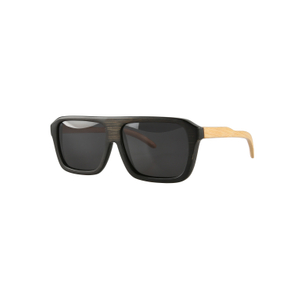
- Bamboo: Bamboo sunglasses are another eco-friendly choice, known for their strength and lightweight properties. They are also less likely to cause allergic reactions.
- Bio-based Plastics: Some brands are now producing sunglasses from bio-based plastics, which are designed to be more environmentally friendly and may reduce the risk of allergic reactions.
For individuals with severe allergies, synthetic materials may be the safest option. High-quality plastics and metals designed for sensitive skin can provide a comfortable fit without the risk of allergic reactions. Look for brands that specifically market their products as hypoallergenic.
In conclusion, horn sunglasses can be a suitable option for many individuals, including those with allergies. Their hypoallergenic nature, combined with their aesthetic appeal and durability, makes them an attractive choice. However, it is essential for allergy sufferers to be aware of their sensitivities and take necessary precautions when selecting eyewear. By understanding the materials used and considering alternatives, individuals can find sunglasses that not only protect their eyes but also align with their health needs.

1. Can horn sunglasses cause allergic reactions?
- While horn is generally considered hypoallergenic, some individuals may still experience reactions. It is advisable to conduct a patch test if you have known sensitivities.
2. What are the benefits of wearing horn sunglasses?
- Horn sunglasses are lightweight, durable, and offer a unique aesthetic. They are also eco-friendly as they are made from natural materials.
3. Are there alternatives to horn sunglasses for allergy sufferers?
- Yes, alternatives include wooden sunglasses, bamboo sunglasses, and high-quality synthetic options designed for sensitive skin.
4. How should I care for my horn sunglasses?
- Clean them regularly with a gentle, hypoallergenic soap and water. Avoid harsh chemicals that could damage the material.
5. What should I look for when buying sunglasses if I have allergies?
- Choose sunglasses made from genuine materials, check for hypoallergenic certifications, and consider frame designs that minimize skin contact.
Hot Tags: China, Global, OEM, private label, manufacturers, factory, suppliers, manufacturing company