Welcome to Nilerun Focusing on bamboo and horn products since 2009
- All
- Product Name
- Product Keyword
- Product Model
- Product Summary
- Product Description
- Multi Field Search

Views: 220 Author: nilerun Publish Time: 2025-12-11 Origin: Site


Content Menu
● Understanding Horn Sunglasses
>> The Material: A Sustainable Choice
● The Environmental Benefits of Horn Sunglasses
>> 3. Reduced Carbon Footprint
>> 4. Longevity and Durability
>> 5. Hypoallergenic Properties
● Consumer Awareness and Trends
>> Growing Demand for Sustainable Fashion
● Challenges and Considerations
In recent years, the fashion industry has seen a significant shift towards sustainability, with consumers increasingly seeking products that are not only stylish but also environmentally friendly. Among these products, horn sunglasses have emerged as a unique and eco-conscious choice. This article explores how horn sunglasses contribute to environmental conservation, examining their materials, production processes, and overall impact on the planet.

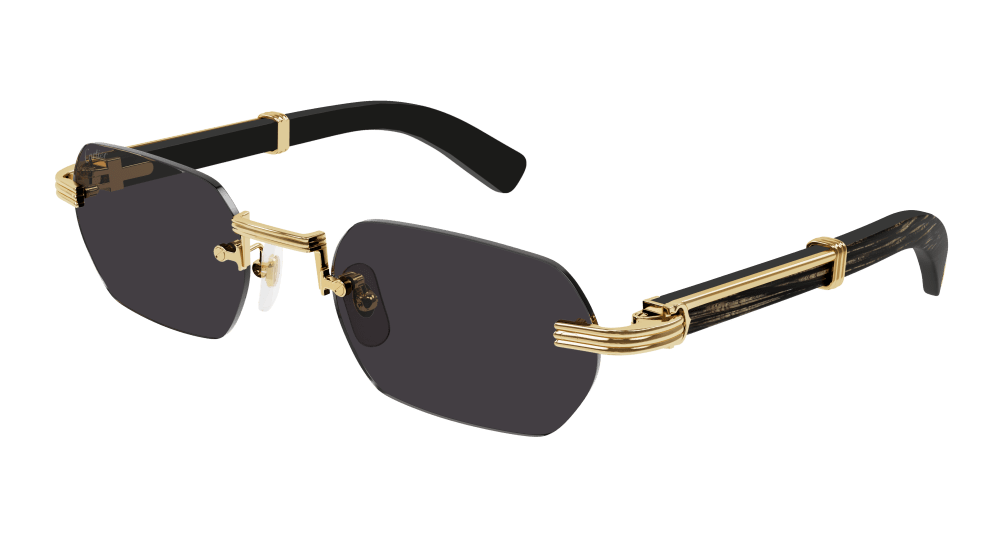
Horn sunglasses are eyewear crafted from natural horn, typically sourced from animals such as buffalo. The material is known for its lightweight, durability, and unique aesthetic qualities. Each pair of horn sunglasses is distinct, showcasing natural variations in color and texture, which adds to their appeal.
Horn is a renewable resource, making it an excellent alternative to conventional materials like plastic. Unlike synthetic materials, which often contribute to pollution and waste, horn is biodegradable and can decompose naturally. This characteristic significantly reduces the environmental footprint associated with eyewear production.
One of the most significant advantages of horn sunglasses is their biodegradability. When disposed of, horn frames break down naturally, unlike plastic frames that can take hundreds of years to decompose. This property helps mitigate the growing problem of plastic waste in landfills and oceans.
Horn used in sunglasses is often a byproduct of the meat industry. This means that the material is sourced ethically, as it comes from animals that have died of natural causes or have been raised for food. By utilizing these materials, manufacturers reduce waste and promote a more sustainable approach to resource use.
The production of horn sunglasses typically involves less energy-intensive processes compared to plastic eyewear. The crafting of horn frames often relies on traditional techniques that require minimal machinery, thereby reducing greenhouse gas emissions associated with manufacturing.
Horn sunglasses are known for their durability. With proper care, they can last for decades, which reduces the need for frequent replacements. This longevity not only saves consumers money but also decreases the overall demand for new products, further lessening environmental impact.
Horn is a natural material that is hypoallergenic, making it suitable for individuals with sensitive skin. This quality reduces the likelihood of allergic reactions that can occur with synthetic materials, promoting a healthier choice for consumers.
Many horn sunglasses are handcrafted, which not only supports traditional craftsmanship but also ensures a high level of quality. Artisans carefully shape and polish each frame, resulting in unique pieces that reflect the natural beauty of the material.
The production of horn sunglasses generates minimal waste. Any leftover material from the crafting process can often be repurposed or recycled, further contributing to sustainability efforts. For instance, shavings and scraps can be used as fertilizer in agriculture, closing the loop on waste.
Some manufacturers of horn sunglasses are committed to using renewable energy sources in their production processes. This commitment further reduces the carbon footprint associated with eyewear manufacturing, aligning with broader environmental goals.
As consumers become more environmentally conscious, the demand for sustainable fashion products, including horn sunglasses, has increased. Brands that prioritize eco-friendly materials and ethical production practices are gaining popularity among consumers who value sustainability.
Many eyewear brands are now focusing on educating consumers about the benefits of horn sunglasses. By providing transparency regarding sourcing and production processes, these brands build trust and encourage informed purchasing decisions.
While horn sunglasses are often marketed as sustainable, it is essential for consumers to ensure that the materials are sourced ethically. Not all manufacturers adhere to the same standards, so researching brands and their practices is crucial.
Horn sunglasses require specific care to maintain their quality and longevity. Users should avoid exposing them to extreme temperatures and humidity, and regular cleaning with appropriate products is necessary to preserve the material.
Horn sunglasses represent a unique intersection of style and sustainability. By choosing eyewear made from natural horn, consumers can contribute to environmental conservation while enjoying high-quality, durable products. As the fashion industry continues to evolve, horn sunglasses stand out as a testament to the potential of eco-friendly materials and ethical production practices.
1. What are horn sunglasses made from?
Horn sunglasses are made from natural horn, typically sourced from buffalo, which is a renewable and biodegradable material.
2. How do horn sunglasses contribute to environmental conservation?
They are biodegradable, ethically sourced, and produced with minimal waste, reducing the overall environmental impact compared to traditional plastic eyewear.
3. Are horn sunglasses durable?
Yes, horn sunglasses are known for their durability and can last for decades with proper care, reducing the need for frequent replacements.
4. Do horn sunglasses cause allergic reactions?
No, horn is hypoallergenic, making it suitable for individuals with sensitive skin.
5. How should I care for my horn sunglasses?
To maintain their quality, avoid exposing them to extreme temperatures and humidity, and clean them with appropriate products designed for horn materials.
Hot Tags: China, Global, OEM, private label, manufacturers, factory, suppliers, manufacturing company