Welcome to Nilerun Focusing on bamboo and horn products since 2009
- All
- Product Name
- Product Keyword
- Product Model
- Product Summary
- Product Description
- Multi Field Search

Views: 220 Author: nilerun Publish Time: 2025-12-10 Origin: Site


Content Menu
● Understanding Horn Eyeglasses
>> Factors Influencing Pricing
>> Price Range of Horn Eyeglasses
● Comparing Horn Eyeglasses to Other Eco-Friendly Options
>> Overview of Other Eco-Friendly Eyewear
● The Value Proposition of Horn Eyeglasses
● Consumer Preferences and Trends
>> The Shift Towards Sustainable Fashion
In recent years, the demand for eco-friendly products has surged, with consumers increasingly seeking sustainable alternatives in various sectors, including fashion and eyewear. Among these options, horn eyeglasses have gained popularity due to their unique aesthetic and sustainable sourcing. However, a common question arises: Are horn eyeglasses more expensive than other eco-friendly options? This article delves into the factors influencing the pricing of horn eyeglasses compared to other sustainable eyewear alternatives.

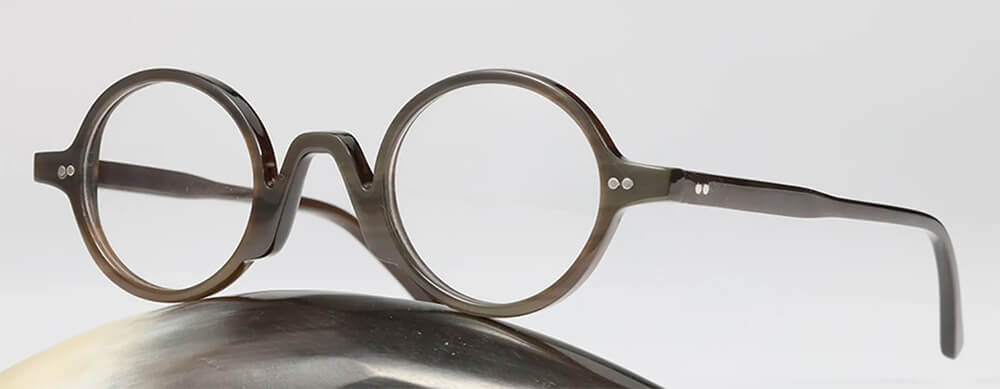
Horn eyeglasses are crafted from the horns of animals, primarily cattle. The material, known as horn or horn acetate, is prized for its natural beauty, durability, and lightweight properties. Artisans handcraft these eyeglasses, which often results in unique patterns and colors, making each pair distinct.
Horn is considered a sustainable material when sourced responsibly. Unlike plastic, which is derived from fossil fuels, horn is a byproduct of the meat industry. This means that using horn for eyeglasses does not contribute to additional animal farming, making it a more eco-friendly choice. Furthermore, the production process of horn eyeglasses typically involves less energy compared to synthetic materials.
Several factors contribute to the pricing of horn eyeglasses:
1. Material Sourcing: The quality and sourcing of the horn significantly impact the price. High-quality horn, sourced from reputable suppliers, tends to be more expensive.
2. Craftsmanship: Horn eyeglasses are often handmade, which requires skilled artisans. The labor-intensive process of crafting these glasses adds to their cost.
3. Brand Positioning: Brands that focus on sustainability and ethical practices often position themselves as premium products, which can lead to higher prices.
4. Design and Customization: Unique designs and customization options can also increase the price of horn eyeglasses. Consumers are often willing to pay more for personalized products.
Typically, horn eyeglasses can range from $200 to over $600, depending on the factors mentioned above. This price range places them in the mid to high-end market segment, appealing to consumers who prioritize sustainability and craftsmanship.
There are several other eco-friendly eyewear options available in the market, including:
- Bamboo Eyeglasses: Made from sustainable bamboo, these glasses are lightweight and biodegradable. Prices generally range from $50 to $300.
- Recycled Plastic Eyeglasses: These are made from recycled materials, such as ocean plastics. They are often more affordable, with prices ranging from $30 to $200.
- Wooden Eyeglasses: Crafted from various types of wood, these glasses offer a unique aesthetic. Prices can vary widely, typically ranging from $100 to $400.
When comparing horn eyeglasses to these alternatives, it becomes evident that horn eyeglasses are generally more expensive. For instance, while bamboo and recycled plastic options can be found at lower price points, horn eyeglasses command a premium due to their unique material and craftsmanship.
One of the key advantages of horn eyeglasses is their durability. Unlike plastic frames that can become brittle over time, horn frames are robust and can last for many years with proper care. This longevity can justify the higher initial investment for consumers.
Horn eyeglasses are known for their distinctive look. The natural patterns and colors of horn create a luxurious appearance that is often unmatched by synthetic materials. For many consumers, the aesthetic appeal of horn eyeglasses is worth the extra cost.
Consumers today are increasingly concerned about the ethical implications of their purchases. Horn eyeglasses, when sourced responsibly, offer a sustainable alternative that aligns with the values of environmentally conscious consumers. This ethical consideration can enhance the perceived value of horn eyeglasses, making them a worthwhile investment.
As awareness of environmental issues grows, more consumers are prioritizing sustainability in their purchasing decisions. This shift is evident in the eyewear market, where brands that emphasize eco-friendly practices are gaining traction. Horn eyeglasses, with their sustainable sourcing and unique craftsmanship, fit well into this trend.
The primary consumers of horn eyeglasses tend to be individuals who value sustainability, quality, and unique design. This demographic often includes fashion-forward individuals, environmentally conscious consumers, and those willing to invest in premium products.
In conclusion, horn eyeglasses are generally more expensive than other eco-friendly options due to factors such as material sourcing, craftsmanship, and brand positioning. However, their durability, aesthetic appeal, and ethical considerations provide a compelling value proposition for consumers. As the demand for sustainable products continues to rise, horn eyeglasses are likely to remain a popular choice among eco-conscious consumers.
1. What are the main benefits of horn eyeglasses?
Horn eyeglasses offer durability, unique aesthetics, and are made from a sustainable material, making them an eco-friendly choice.
2. How do horn eyeglasses compare in price to bamboo eyeglasses?
Horn eyeglasses are generally more expensive than bamboo eyeglasses, which typically range from $50 to $300.
3. Are horn eyeglasses suitable for sensitive skin?
Yes, horn is a natural material that is often hypoallergenic, making it suitable for individuals with sensitive skin.
4. How should I care for my horn eyeglasses?
To maintain horn eyeglasses, clean them with a soft cloth and avoid exposure to extreme temperatures or harsh chemicals.
5. Where can I purchase horn eyeglasses?
Horn eyeglasses can be found at specialty eyewear retailers, online stores, and brands that focus on sustainable fashion.
Hot Tags: China, Global, OEM, private label, manufacturers, factory, suppliers, manufacturing company