Welcome to Nilerun Focusing on bamboo and horn products since 2009
- All
- Product Name
- Product Keyword
- Product Model
- Product Summary
- Product Description
- Multi Field Search

Views: 220 Author: nilerun Publish Time: 2025-12-18 Origin: Site


Content Menu
● The History of Bamboo Root Bags
>> Origins of Bamboo Craftsmanship
>> Preparation and Weaving Techniques
● The Aesthetic Appeal of Bamboo Root Bags
● The Role of Bamboo Root Bags in Sustainable Fashion
● Challenges Facing Traditional Craftsmanship
>> Modernization and Globalization
● The Future of Bamboo Root Bags
>> Revitalizing Traditional Craftsmanship
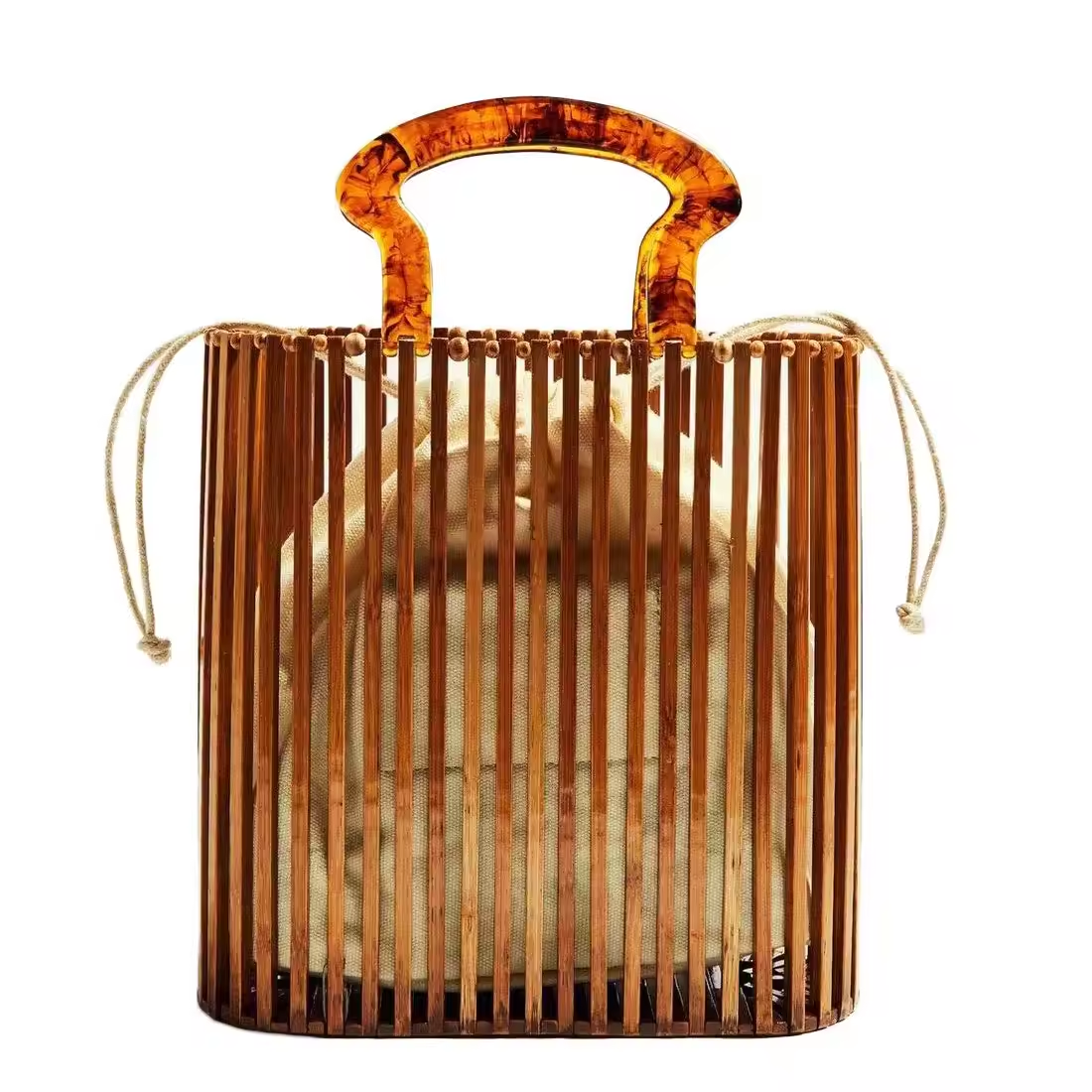
Bamboo root bags, often overlooked in the realm of modern fashion and accessories, embody a rich tapestry of traditional craftsmanship that speaks to the heart of cultural heritage. These bags are not merely functional items; they are a testament to the skills, values, and artistry of the communities that create them. In this article, we will explore the intricate relationship between bamboo root bags and traditional craftsmanship, examining their history, the techniques involved in their creation, and their significance in contemporary society.

Bamboo has been a vital resource in many cultures for centuries. Its versatility and strength make it an ideal material for various applications, from construction to crafts. The use of bamboo in bag-making can be traced back to ancient times, particularly in regions where bamboo grows abundantly, such as Southeast Asia and parts of China. The craftsmanship surrounding bamboo has evolved, yet it remains deeply rooted in tradition.
In many cultures, bamboo is more than just a material; it symbolizes resilience, flexibility, and harmony with nature. The creation of bamboo root bags is often intertwined with cultural rituals and practices. For instance, in some communities, the process of making these bags is a communal activity, fostering social bonds and preserving traditional knowledge. This cultural significance adds layers of meaning to each bag, making it a unique artifact of heritage.
The journey of a bamboo root bag begins with the careful selection of bamboo. Artisans often choose specific species known for their durability and aesthetic qualities. The harvesting process is done sustainably, ensuring that the bamboo can continue to thrive in its natural habitat. This respect for nature is a fundamental aspect of traditional craftsmanship, reflecting a deep understanding of ecological balance.
Once harvested, the bamboo is processed into strips suitable for weaving. This stage requires skill and precision, as artisans must ensure that the strips are uniform in size and flexibility. The weaving techniques used in creating bamboo root bags vary by region, with each community having its unique patterns and styles. Some artisans employ intricate braiding methods, while others may use simple over-and-under techniques. The choice of technique often reflects the artisan's personal style and the cultural heritage of their community.
After the weaving is complete, the bags undergo a finishing process that may include dyeing, embellishing, and adding functional elements like straps or closures. Natural dyes derived from plants are often used, further emphasizing the connection to nature. These finishing touches not only enhance the bag's aesthetic appeal but also serve to protect the material and ensure its longevity.
One of the most striking features of bamboo root bags is their unique designs. Each bag is a work of art, showcasing the artisan's creativity and skill. The natural variations in bamboo color and texture add to the individuality of each piece. This uniqueness is highly valued in a world increasingly dominated by mass-produced items, making bamboo root bags a sought-after accessory for those who appreciate craftsmanship.
Bamboo root bags are not only functional but also versatile in fashion. They can complement a wide range of outfits, from casual to formal. Their organic aesthetic appeals to eco-conscious consumers who seek sustainable alternatives to synthetic materials. As fashion trends shift towards sustainability, bamboo root bags have found their place in contemporary wardrobes, bridging the gap between tradition and modernity.
In an era where environmental concerns are paramount, bamboo root bags stand out as an eco-friendly choice. Bamboo is a renewable resource that grows rapidly and requires minimal resources to cultivate. By choosing bamboo root bags, consumers support sustainable practices and reduce their carbon footprint. This alignment with eco-conscious values resonates with a growing demographic of environmentally aware consumers.
Purchasing bamboo root bags often means supporting local artisans and their communities. Many artisans rely on the income generated from their craft to sustain their families and preserve their cultural heritage. By investing in these bags, consumers contribute to the economic stability of these communities, fostering a sense of responsibility and connection to the products they choose.
Despite the beauty and significance of bamboo root bags, traditional craftsmanship faces numerous challenges in the modern world. Globalization has led to the proliferation of mass-produced goods, often overshadowing artisanal products. As consumers gravitate towards cheaper, readily available options, artisans struggle to compete, risking the loss of their craft and cultural heritage.
The skills required to create bamboo root bags are often passed down through generations. However, as younger generations move to urban areas in search of better opportunities, there is a growing concern that these traditional skills may be lost. Efforts to preserve these techniques are crucial, as they represent not only the craftsmanship but also the identity of the communities that create them.
To ensure the survival of bamboo root bags and the craftsmanship behind them, initiatives aimed at revitalizing traditional skills are essential. Workshops, training programs, and collaborations between artisans and designers can help bridge the gap between tradition and modernity. By integrating traditional techniques with contemporary design, artisans can create products that appeal to a broader audience while preserving their cultural heritage.
Raising awareness about the value of bamboo root bags and traditional craftsmanship is vital. Consumers play a crucial role in this process by choosing to support artisanal products over mass-produced alternatives. Social media and online platforms provide opportunities for artisans to showcase their work, connect with consumers, and share their stories. This visibility can foster a greater appreciation for the artistry and cultural significance of bamboo root bags.
Bamboo root bags are more than just accessories; they are a reflection of traditional craftsmanship, cultural heritage, and sustainable practices. As we navigate a world increasingly dominated by mass production, the value of these artisanal creations becomes even more pronounced. By supporting bamboo root bags, we not only celebrate the skills and artistry of the artisans but also contribute to the preservation of cultural heritage and the promotion of sustainable fashion. The journey of a bamboo root bag is a testament to the spirit of traditional craftsmanship, reminding us of the beauty that lies in handmade creations.
1. What materials are used to make bamboo root bags?
Bamboo root bags are primarily made from strips of bamboo, which are woven together. Natural dyes may also be used for coloring.
2. How do bamboo root bags contribute to sustainability?
Bamboo is a renewable resource that grows quickly and requires minimal resources, making bamboo root bags an eco-friendly choice.
3. What challenges do artisans face in the bamboo bag industry?
Artisans face challenges from globalization and mass production, which can overshadow traditional craftsmanship and threaten the survival of their skills.
4. How can consumers support traditional craftsmanship?
Consumers can support traditional craftsmanship by choosing to purchase artisanal products like bamboo root bags instead of mass-produced items.
5. What is the cultural significance of bamboo in craftsmanship?
Bamboo symbolizes resilience and harmony with nature, and its use in craftsmanship often reflects cultural rituals and community bonds.
Hot Tags: China, Global, OEM, private label, manufacturers, factory, suppliers, manufacturing company